State-Driven Tea Machine (Core Java, Dockerization)
Click Here To See The Project Codebase
A sophisticated Java desktop application demonstrating advanced software design patterns and architectural principles. This project implements a state-driven tea machine control system with real-time monitoring, database persistence, and a modern Swing-based GUI.
Project Overview
This application simulates a tea machine control system that manages different operational states (Empty, Idle, Boiling Water, Making Tea, Done) with comprehensive state management, event-driven architecture, and persistent data storage. The system demonstrates enterprise-level Java development practices and design pattern implementations.
Architecture & Design Patterns
GoF Design Patterns Implemented
State Pattern - Manages machine state transitions with 5 concrete state implementations (Empty, Idle, Boiling Water, Making Tea, Done). Eliminates complex conditional logic and encapsulates state-specific behavior.
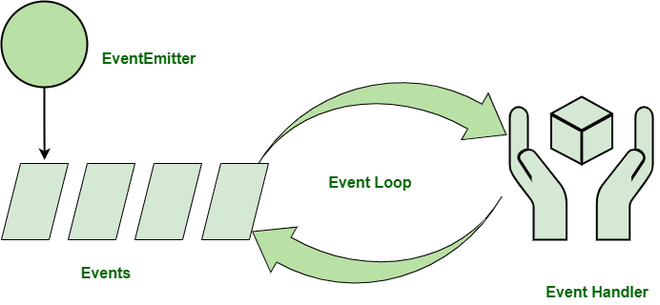
Observer Pattern - Decouples UI updates from business logic using Subject-Observer architecture. Implements event-driven reactive updates with type-safe Event records.
Strategy Pattern - Encapsulates different timer execution algorithms (MakeTeaTimerStrategy, BoilWaterTimerStrategy) with runtime strategy selection.
Decorator Pattern - Composable message system with dynamic functionality addition (WarningDecorator, ThresholdDecorator) enabling flexible message composition.
Singleton Pattern - Database connection management with static initialization for resource pooling.
MVC Architecture - Model-View-Controller separation with MachineContext (Model/Subject), MainInterface (View/Observer), and MachineController (Controller).
Technologies & Frameworks
Core Technologies:
- Java 17 (Records, Pattern Matching, Text Blocks, Optional API, LocalDateTime, Stream API, Lambda Expressions)
- Java Swing (Desktop GUI framework)
- MySQL Connector/J 8.0.32 (JDBC database connectivity)
- Maven (Dependency management and build automation)
- Docker (Containerized MySQL database)
- JDBC (Database access layer with Prepared Statements)
Database:
- MySQL with normalized schema design, foreign key relationships, prepared statements for SQL injection prevention, and transaction support
Key Features
- State Management: 5 operational states with controlled transitions and database persistence
- Concurrency: Asynchronous execution using
java.util.TimerandTimerTaskwith thread-safe operations - Message System: Decorated messages with automatic threshold detection and warnings
- Database Integration: Persistent storage with daily/monthly analytics and threshold management
- User Interface: Swing GUI with real-time updates via Observer pattern, state visualization, and input validation
Advanced Java Concepts
Modern Java Features:
- Records for immutable DTOs
- Pattern matching with switch expressions
- Text blocks for multi-line SQL queries
- Optional API for null safety
- Stream API and functional programming
- Lambda expressions and functional interfaces
Best Practices:
- SOLID Principles (Single Responsibility, Open/Closed, Liskov Substitution, Interface Segregation, Dependency Inversion)
- DRY (Don't Repeat Yourself)
- Separation of Concerns
- Encapsulation
- Polymorphism and interface-based programming
Concurrency & Threading:
- Timer & TimerTask for asynchronous task scheduling
- Thread-safe synchronization mechanisms
- Event-driven architecture with non-blocking UI updates
Database Best Practices:
- Connection management with Singleton pattern for connection pooling
- Try-with-resources for automatic resource cleanup
- Normalized schema design
- Prepared statements for SQL injection prevention
Technical Skills Demonstrated
- Object-Oriented Design with advanced OOP principles
- GoF Design Patterns (State, Observer, Strategy, Decorator, Singleton)
- Java Enterprise Development
- Database Integration (JDBC, SQL, data persistence)
- GUI Development (Swing framework, event handling)
- Software Architecture (MVC, layered architecture)
- Modern Java (Java 17 features and best practices)
- Concurrency and Threading
- Docker containerization
- Maven build automation
Project Highlights
- 6 Design Patterns implemented (State, Observer, Strategy, Decorator, Singleton, MVC)
- Java 17 modern features throughout
- Database persistence with MySQL
- Thread-safe concurrent operations
- Clean Architecture with separation of concerns
- Comprehensive error handling and validation
- Dockerized database setup